Programs & people
Youth jobs and leadership in food and farming
At a glance
- Youth development emphasizes strengths
- Participation can include shared decisions
- Employers have workplace responsibilities
- Summer meals are a separate program
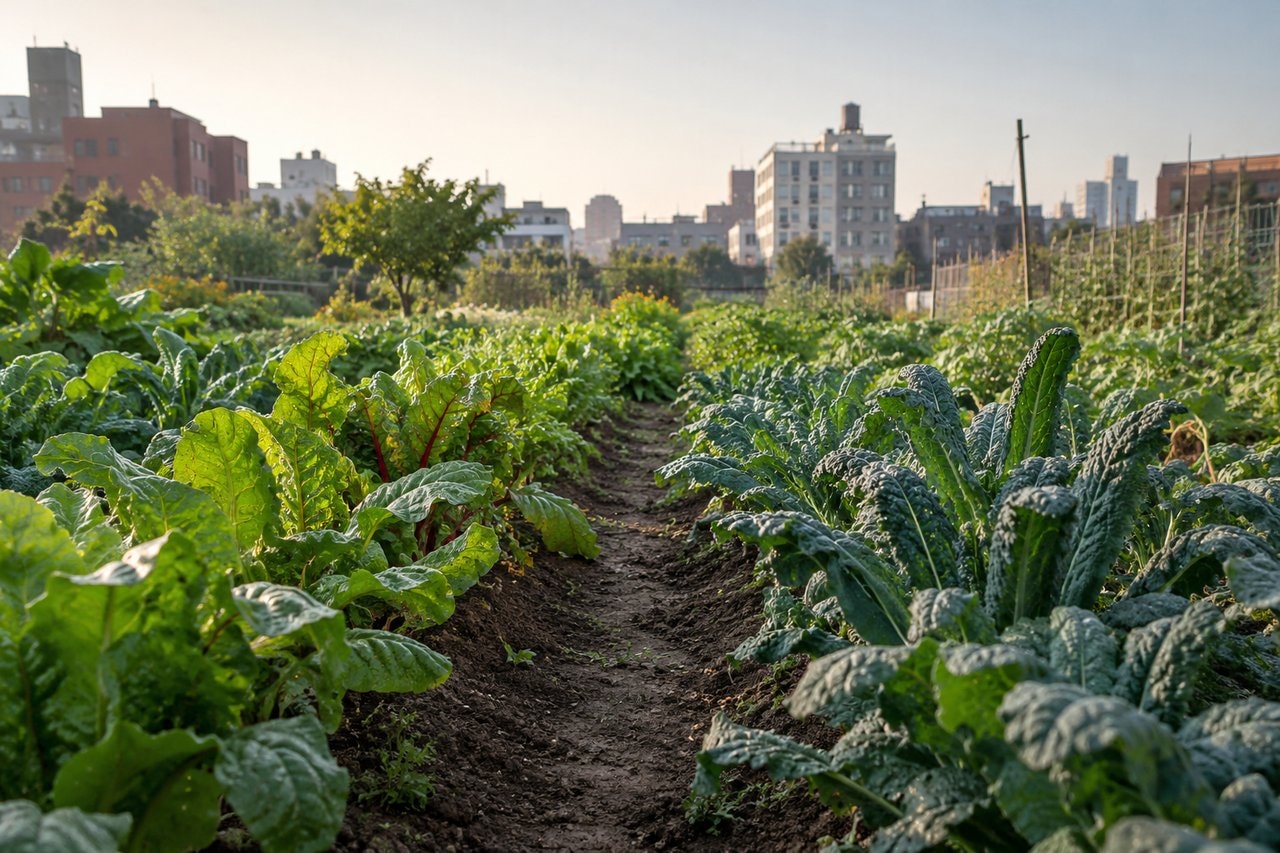
Youth jobs and leadership in food and farming involve an educational purpose alongside responsibility for the work itself. For adults organizing these activities, positive youth development describes an approach to participation, not a job title or a finding that a program achieves its goals. Youth.gov's positive youth development page describes an intentional approach that recognizes young people's strengths, provides opportunities and relationships, and supports leadership. The approach concerns how adults and young people take part in an activity, whether its subject is food education, growing or distribution.
Strengths, relationships and participation
Youth.gov places young people within families, schools, peer groups and community organizations rather than considering an activity in isolation. It describes engagement with youth as equal partners and identifies supportive adults and positive peer groups among relevant environmental factors. These are features of the approach as the federal resource presents it. They do not establish a particular internship's staffing, employment terms or outcomes. A learning purpose and an adult's responsibility for the setting remain different parts of a program description.
Wikipedia's positive youth development article likewise describes an emphasis on strengths, capacities and supportive contexts. The framework offers language for reading intended development, rather than labeling young participants as problems. It is useful to distinguish such stated aims from an evaluation of what happened. A program can describe its activities and intentions without having measured whether participation changed skills, confidence or later employment.
Employment and its learning aims
Youth.gov's employment page describes part-time, summer and permanent work among young people's employment experiences. It identifies responsibility, organization, time management and work habits among potential benefits of employment. These are the federal resource's descriptions of learning opportunities. They do not demonstrate that every food or farm job produces them, nor do they establish that an activity described as an internship is unpaid, paid or exempt from workplace requirements.
A role description in food education or growing is therefore different from an employment determination. The subject describes the work; the developmental framework describes intended learning and participation. The workplace guidance concerns responsibilities and rights. The produce stands page uses this distinction when considering social enterprise and food sales. A stand's educational purpose does not by itself establish the employment status of its young participants.
Peer education and youth empowerment
Wikipedia's peer education article describes sharing information among people with similar backgrounds or experiences. It names food safety and physical activity among subjects in which the approach is used. Peer describes a relationship between the participants, rather than a substitute for the content being taught. In a food-learning context, the method of sharing information and the accuracy of that information are separate questions. The college-volunteer handbook discusses working alongside young people and the distinction between participation and responsibility.
Wikipedia's youth empowerment article emphasizes participation, shared decisions and opportunities to develop skills. It distinguishes individual development from an emphasis on community change. This vocabulary concerns the role young people have in decisions, rather than merely their presence at an activity. An adult reader can therefore distinguish an opportunity to contribute from a claim that participants control every decision or have been shown to change a wider food system.
Agricultural roots and social enterprise
Wikipedia's 4-H article describes agricultural and farm-homemaking roots, practical learning and a later range of educational subjects. It identifies the program with the Cooperative Extension System, USDA and the National Institute of Food and Agriculture. This is a factual example of the relationship between youth development and agriculture. It does not establish that any food project described elsewhere in this reference is connected with that organization.
Wikipedia's social entrepreneurship article describes enterprises organized around social, cultural or environmental goals, sometimes combined with financial goals. A youth food venture can be considered through that concept without asserting a result for a real venture. An enterprise's stated social purpose, its financial activity and its learning aims are distinct. Service-learning considers another arrangement, in which community work is related to university coursework.
Rights and safety at work
The Occupational Safety and Health Administration's young-workers page states that young workers have rights and that their employer is responsible for a safe workplace. Its young-worker restaurant eTool describes common hazards and possible safety solutions for teen workers and employers. The tool covers clean-up, cooking, food preparation and serving among its task categories. Its overview does not identify specific hazards here, so the subject descriptions remain at that level.
The eTool describes rights to information and training in language workers understand, working conditions without serious hazards, and exercising rights without retaliation. OSHA explains that the tool is advisory and does not create new legal duties. This distinction places its educational material alongside workplace obligations without treating the tool as a complete determination for a particular kitchen or farm. A program's developmental aims do not replace the employer responsibility described by the agency.
Summer activities and meal programs
USDA's Food and Nutrition Administration describes the Summer Food Service Program as free meals and snacks for children and teens in eligible areas when school is out. This is a related federal food program, rather than a youth employment program. A summer job, a growing activity and a meal service can be discussed in the same subject area without assuming that a particular organization runs all of them. Each description needs its own purpose, scope and source.