In schools
Nutrition education in schools: what it is and how it reaches the classroom
At a glance
- Nutrition education supports school food programs
- Food guides are teaching frameworks
- Wellness policies include education goals
- Reviews examine varied learning activities
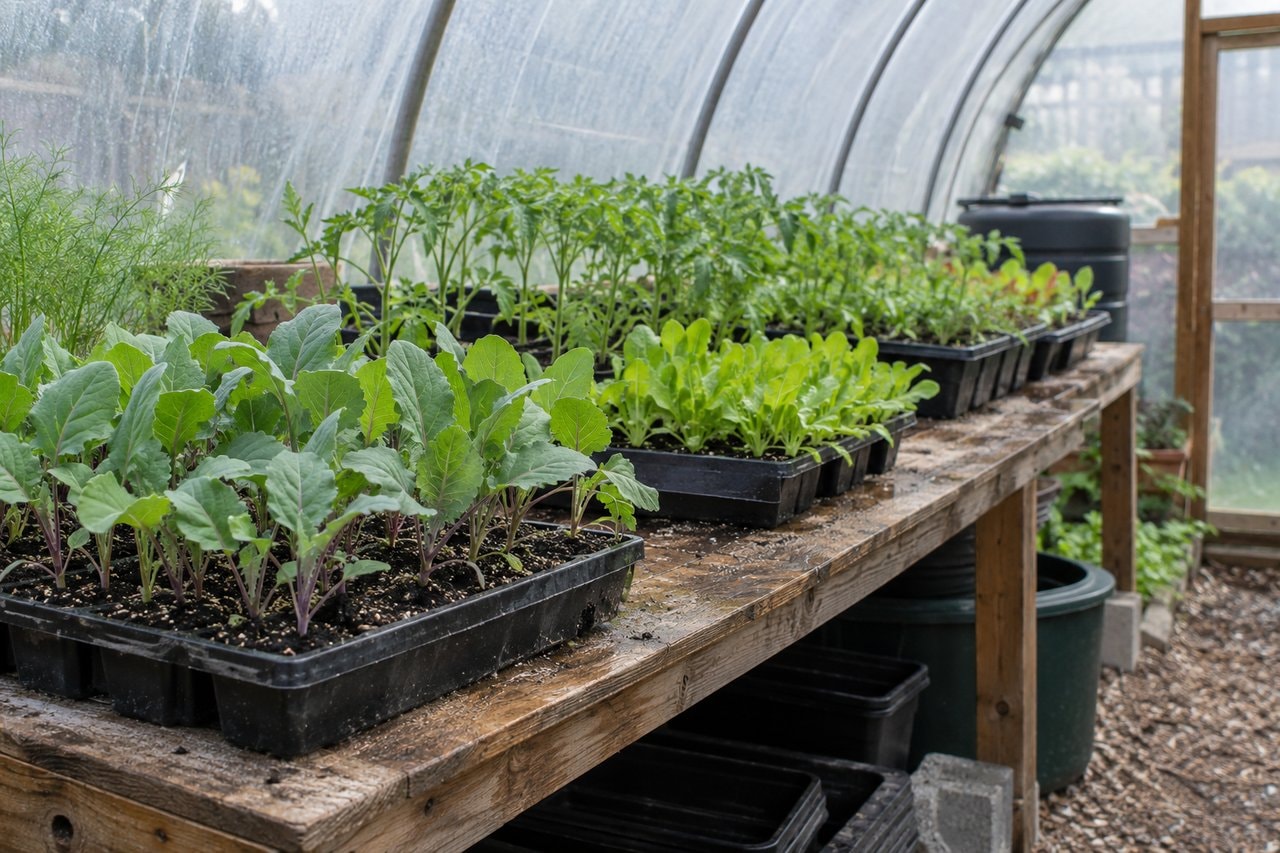
Nutrition education in schools concerns both the material taught and the setting in which teaching happens. Federal initiatives, school policies and educational approaches describe different parts of that picture. A food guide is a framework for communication; a garden or kitchen is a setting for experience; a wellness policy states local goals. Understanding those roles helps adult readers distinguish an educational purpose from a finding about an activity's results.
Education within the school food system
USDA's Food and Nutrition Administration describes Team Nutrition as an initiative supporting child nutrition programs through foodservice training and technical assistance, education for children and caregivers, and school and community support for eating and physical activity. Its resource categories include garden, breakfast, lunch, after-school and summer materials. The description places classroom food education alongside the work of foodservice staff. It is not limited to a lesson delivered independently of the food program.
The connections matter when reading a resource. Material for a foodservice task serves a different function from material for a classroom discussion. Both may relate to school food, but their intended use is part of their meaning. The school-meals page explains the programs and policies around food service, leaving the educational frameworks and methods to this page.
SNAP-Ed and community settings
USDA's SNAP Nutrition page describes SNAP-Ed as an evidence-based program involving nutrition classes, social marketing and efforts concerning community policies, systems and environments, delivered with state and local organizations. The SNAP-Ed page explains the program's relationship to SNAP. The agency's description places classes inside a wider approach: education and the conditions around daily food-related activity are discussed together.
This is a different emphasis from Team Nutrition's support for child nutrition programs. The descriptions can overlap in subject without being interchangeable. Reading the program name, its stated purpose and the setting described by its source helps identify which part of food education is under discussion. Neither description establishes that a particular school lesson is funded through a named program.
The Dietary Guidelines and MyPlate
The federal Dietary Guidelines for Americans website contains material on the publication's editions and history. Wikipedia's account of the Dietary Guidelines explains that they provide an evidence base used by the federal government to develop nutrition-education materials. Their role here is as a framework behind public education and policy. This reference describes that role without reproducing the Guidelines as instructions about a reader's food intake.
Wikipedia describes MyPlate as a USDA food-guide graphic based on the Dietary Guidelines, depicting a plate and glass and used in nutrition education. A graphic organizes an educational message differently from a long publication. The diagram can be discussed as a teaching framework: what it represents, which institution published it and how it relates to the Guidelines. Its visual organization is not a personal meal plan supplied by this reference.
Local goals in a written policy
USDA's local school wellness-policy page states that policies must include specific goals for nutrition education and promotion, physical activity and other school-based activities, and that local agencies must consider evidence-based strategies when determining those goals. The policy connects intentions to a local written document. The agency's description also includes leadership, public involvement and evaluation. Those are parts of the policy structure, distinct from the content of an individual lesson.
Experience, literacy and peers
Wikipedia distinguishes experiential learning from hands-on activity alone by emphasizing reflection on experience. Doing a task and considering what the experience means are related but different parts of learning. This distinction is relevant to gardens and kitchens as teaching settings. The term identifies an educational process rather than guaranteeing that participation produces a particular result.
Wikipedia's account of food literacy includes food-related knowledge, skills and behaviors, with definitions shaped by context and with social, economic, cultural and environmental influences. Its account of peer education describes sharing information among people with similar backgrounds or life experiences. These terms concern different aspects of learning: the range of knowledge and skills being discussed, and the relationship between people exchanging information. They can help an adult reader describe a program more precisely.
What reviews of lessons have examined
A 2022 systematic review in BMC Public Health examined school garden programs, including combinations of gardening, cooking lessons and nutrition education, and reported favorable findings for knowledge and attitudes, with variation linked to program features and social and environmental factors. The authors identified duration, parental involvement and the activities included among the factors associated with variation. The review therefore concerns combinations of educational activities rather than a garden's presence alone.
A 2014 systematic review in Preventing Chronic Disease examined hands-on cooking education and reported varied findings across programs, with differences in measurements making best practices difficult to determine. A 2024 systematic review in Appetite examined school-based cooking classes and reported small positive effects on cooking self-efficacy and vegetable intake, while calling for consistent measures of food literacy and cooking confidence. These are findings from the reviewed studies, rather than promises about a local class. The cooking-classes page considers that research alongside kitchen safety, and the gardens page follows the garden evidence in more detail.
This is general information, not medical or dietary advice.